

Best Snorkeling Spots in Bali and Nearby: From Nusa Penida to Sumbawa
Indonesia is part of the Coral Triangle, a region with one of the richest underwater worlds on the planet. In the waters around Bali and neighboring islands, you can see coral reefs, sea turtles, giant mantas, reef fish, and other ocean dwellers. There are calm places for a first snorkeling experience and marine routes by boat to more remote spots.
To ensure the trip meets expectations, it's important to find out in advance where the water is calmer, where there is a higher chance of encountering large marine animals, and how long the activity itself will take. This will help you understand your request and avoid overpaying for an unsuitable format.

This article compiles the best snorkeling spots in Bali, tour options for beginners, and those who are already confident in the water. We will tell you how to book a snorkeling tour online, what is usually included in the program, and provide practical safety tips in Bali waters: how to choose a suitable spot, what to look for before going to sea, and in which cases it's best not to enter the water.
Snorkeling in Amed: Coral Reefs and the East of Bali
Amed is located in the east of Bali, away from busy resort areas. It features black volcanic beaches, small bays, panoramic views of Mount Agung, and several famous snorkeling spots.
For a first acquaintance with the underwater world, the opportunity not to rush is especially valuable. Instead of driving from the southern areas of Bali for several hours, rushing to snorkel, and then returning tired the same day, start your morning when the sea is usually calmer, and head to the reefs. Off the coast of Amed, you can see coral gardens, the Japanese shipwreck in Lipah Bay, and underwater statues in Jemeluk Bay.

This spot is particularly convenient because for an enriching snorkeling experience, you don't need to leave Bali and adjust to the schedule of boats or transfers to neighboring islands. Snorkeling in Amed is part of a two-day tour program to the east of Bali with an overnight stay by the ocean – so that the activity doesn't have to fit into a long day with travel. In addition to snorkeling, you can see another side of the island: waterfalls, ancient temples, and the traditional village of Tenganan.
Snorkeling with Mantas on Nusa Penida
Nusa Penida is an island near Bali known for its clear waters, rugged coastline, and rich underwater life. People come here to encounter giant mantas, some of the most impressive inhabitants of the Indian Ocean.
Snorkeling takes place from a boat at several spots around the island. The most famous of these are Manta Bay and Manta Point, where mantas come to feed and clean themselves of parasites. They can reach up to five meters in width. Swimming with mantas around Nusa Penida is an unforgettable experience. The program includes a speedboat from Sanur, snorkeling equipment, guide accompaniment, and lunch. You can choose a group format or a private boat.

The choice of locations depends on the weather and sea conditions. It's important to note that a manta encounter cannot be guaranteed 100%: they are wild animals and move according to currents, tides, and food sources. Even if you don't get to see mantas, other spots around Nusa Penida offer coral gardens, vibrant reef fish, and unusual marine creatures.
Yachting to the Gili Islands: Turtles, Reefs, and Underwater Statues
You can embark on a private snorkeling trip on a yacht near the Gili Islands. You'll enjoy four hours in the turquoise waters of the archipelago, departing from any of the islands: Trawangan, Meno, or Air. The private format allows you to spend time with your own company, set a comfortable pace, and linger at spots you like the most.

One of the most famous spots is the underwater statues at Gili Meno. Then, you can swim at the coral gardens of Halik Reef near Gili Trawangan and Hans Reef at Gili Air. These areas are often frequented by sea turtles, and between swims, the boat makes a stop at the shore for you to visit the beach and have lunch at one of the cafes.
The cost includes equipment, towels, water, soft drinks, and fruit on board. This trip fits well into a holiday on the Gili Islands: you'll see several different spots, spend time at sea, and return to the island by evening.
Snorkeling with Whale Sharks in Sumbawa and Moyo Island
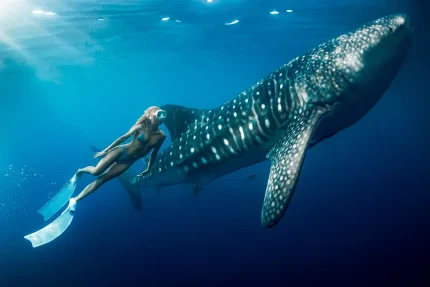
Sumbawa and Moyo are not short trips to a single spot but are real snorkeling journeys over several days. It's one of the few places in the world where you can swim next to whale sharks in their natural habitat. Such an encounter becomes the main event of the trip but is far from the only reason to go.
In search of the largest fish on the planet, travelers arrive at Saleh Bay at dawn. Whale sharks can reach up to 12 meters in length, feed on plankton, and pose no threat to humans. They move slowly near the water's surface, and that's why snorkeling with them doesn't require scuba diving.

Whale sharks remain wild animals, so their presence depends on natural conditions and cannot be guaranteed in advance. But that's precisely the value of our route. Even if an encounter doesn't happen, the trip is not limited to one attempt to see sharks. Snorkeling with whale sharks is part of a three-day tour to Sumbawa and Moyo: during this time, you will swim at reefs, see Moyo Island, the tropical forest, Mata Jitu waterfall, and spend several days in unique places rarely reached during a holiday in Bali.

Remember safety rules during snorkeling. Before going out to sea, it's important to consider weather, currents, and water conditions—the final decision on spots always rests with the captain and guide. Don't overestimate your abilities: for a first experience, it's better to use a life jacket, stay close to the group, and inform the instructor about your swimming confidence level in advance.
Do not touch corals and marine animals, avoid entering the water after drinking alcohol or if feeling unwell. Those who suffer from motion sickness should bring their usual seasickness remedy and take it in advance according to the instructions.
For more on how to behave in the ocean, recognize dangerous currents, and what to consider during boat trips, we discussed in detail in the article Water Safety in Bali: A Complete Guide for Tourists.



Discover Amed—a tranquil village on Bali's eastern coast, renowned for its stunning sunrises, excellent snorkeling and diving spots.

What to do if Bali has already been explored: comparing islands in Indonesia - routes, tours, boats.

How to behave in the water, where to swim safely in Bali, and what to do if you're swept away from the shore.

Gili Islands and Nusa Penida are two gems next to Bali that are worth including in your travel itinerary!

